What You Need to Know About Finding Lofts in Chicago
Finding lofts for rent in chicago means understanding what makes these spaces unique and where to look. Lofts offer distinctive living experiences with their soaring ceilings and industrial charm, but they require a different search approach than traditional apartments.
Quick Guide to Finding Lofts in Chicago:
- What defines a loft: Large open spaces, high ceilings (often 10+ feet), exposed brick or ductwork, minimal interior walls, and oversized windows
- Types available: Hard lofts (converted warehouses), soft lofts (modern construction), and timber lofts (defined by wooden beams)
- Where to look: River North, West Loop, South Loop, Fulton Market, Lincoln Park, and Lakeview
- Key considerations: Natural light, noise levels, insulation quality, and storage solutions
- Average availability: Over 1,000 loft apartments currently on the market in Chicago
Chicago's loft apartments trace their roots to the city's rich industrial legacy. These spaces became popular when artists and musicians began occupying abandoned warehouses in the 1960s, changing former manufacturing sites into creative living spaces.
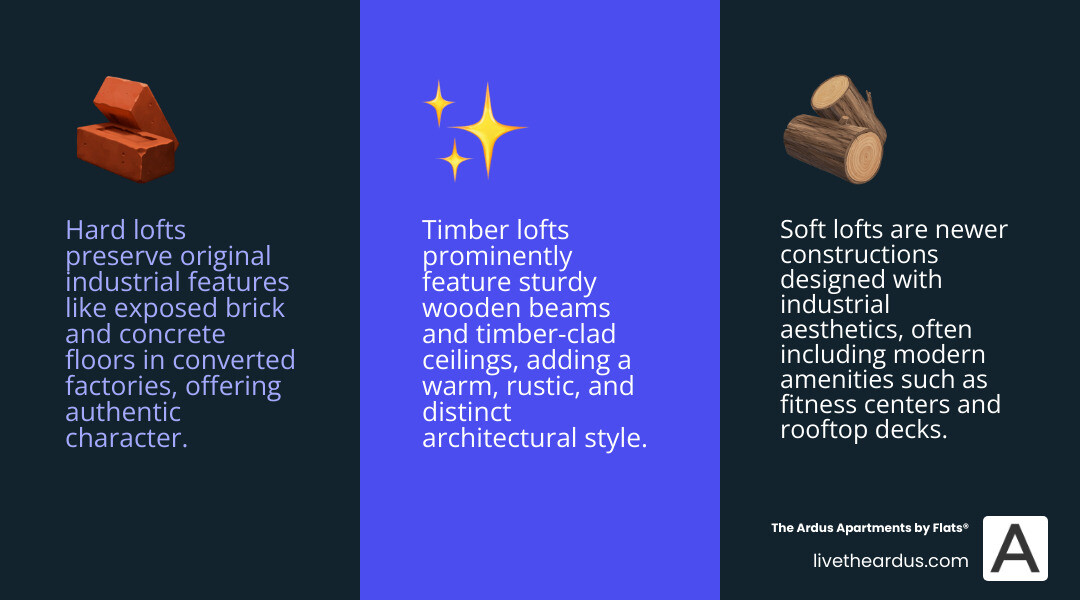
Today, lofts come in different forms. Hard lofts preserve original industrial features like exposed brick and concrete floors in converted factories. Soft lofts are newer constructions designed to capture that industrial aesthetic while offering modern amenities like fitness centers and rooftop decks. Timber lofts showcase sturdy wooden beams and timber-clad ceilings.
Much like studio apartments, lofts have very few interior walls. However, lofts tend to be much larger than studios, often featuring those signature 10-foot ceilings and industrial windows that flood the space with natural light.
Understanding these distinctions helps you identify which type of loft fits your lifestyle and what to expect during your search across Chicago's diverse neighborhoods.
Understanding Chicago's Loft Landscape
Chicago's loft scene tells the story of a city that knows how to reinvent itself. Walk through neighborhoods like River North or the West Loop, and you'll find yourself surrounded by buildings that once hummed with factory machinery or stored goods from around the world. Today, these same structures house some of the most sought-after living spaces in the city.
The change started decades ago when artists found these abandoned industrial buildings offered something traditional apartments couldn't: vast, open spaces with unique character. Those early conversions sparked a movement that continues today, turning Chicago's industrial heritage into modern homes that honor their past while embracing contemporary living.

What makes these spaces special isn't just their sizeit's the authentic architectural elements that come with them. Exposed brick walls that have stood for over a century, concrete floors worn smooth by decades of use, and timber beams that once supported heavy machinery all contribute to a living experience you can't replicate in new construction.
The Different Types of Loft Apartments
Not all lofts are created equal, and understanding the differences helps you find the right fit for your lifestyle. Hard lofts are the real dealconverted warehouses and factories where history lives in every detail. When you search for lofts for rent in chicago, many of the authentic spaces you'll find fall into this category. These buildings showcase their industrial bones proudly: exposed ductwork snaking across ceilings, massive windows that once let natural light flood factory floors, and brick walls that tell decades of stories.
Timber lofts represent a special subset of these conversions. Step into one, and you're immediately struck by the warmth of heavy wooden beams and columns that rise toward timber-clad ceilings. These buildings were constructed when strength and durability mattered above all else, and that robust construction creates living spaces with incredible character. The combination of sturdy wood elements with industrial features like exposed brick creates an inviting atmosphere that feels both spacious and cozy.
Then there are soft loftsnewer buildings designed to capture the loft aesthetic without the industrial past. While they might not have a history as a manufacturing facility, they incorporate the defining features people love about loft living: soaring ceilings, wide-open floor plans, and generous windows. These spaces often come with more polished finishes and modern touches, plus access to contemporary Apartment Community Amenities like package rooms and smart home technology.
Common Features and Amenities
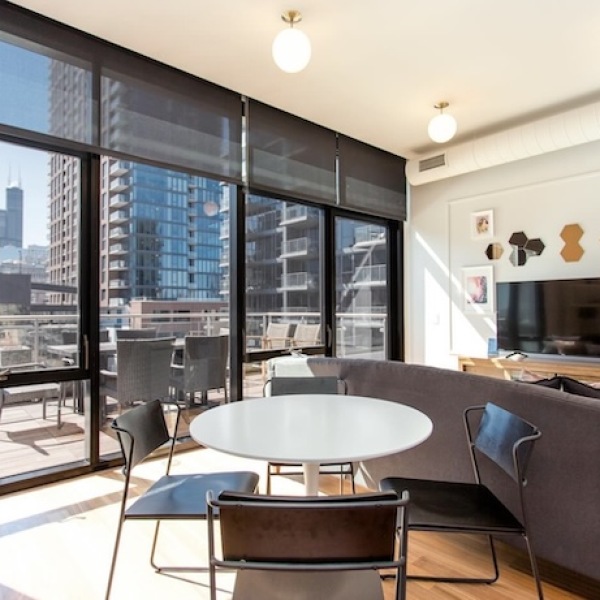
What you'll notice first about loft living is the light. Those large industrial windowsoften stretching nearly floor-to-ceilingtransform the space throughout the day as sunlight moves across open rooms. Combined with high ceilings (typically 10 feet or higher), this creates an airy feeling that makes even compact lofts feel generous.
The open-concept living layout defines the loft experience. Without traditional walls breaking up the space, you get to decide how your home flows. Want a dedicated office area? Position a desk near the windows. Prefer a defined dining space? Add a room divider or strategically place furniture. This flexibility means your loft can evolve as your needs change.
Many lofts balance their industrial character with modern conveniences. Hardwood floors add warmth underfoot, while modern kitchens with contemporary appliances make daily life easy. In-unit laundry is a small detail that makes a big difference in your routine.
Building amenities improve the experience further. Fitness centers let you work out without leaving home, while rooftop decks provide outdoor space and city views for entertaining or unwinding. The combination of historical architecture and contemporary features creates a lifestyle that honors Chicago's past while fully embracing modern living. For more ideas on what to look for, check out resources on the Best Apartment Community Amenities that can improve your daily experience.
Where to Find Lofts for Rent in Chicago
Chicago's change from an industrial powerhouse into a modern metropolis has created some of the most interesting residential neighborhoods in the country. Looking for lofts for rent in chicago means exploring areas where the city's manufacturing past meets its vibrant present. These neighborhoods evolved as developers recognized the potential in sturdy old buildings that once housed factories, warehouses, and commercial operations.

Each of Chicago's loft neighborhoods brings something different to the table. Some areas pulse with restaurant energy and nightlife, while others offer a quieter residential feel with easy access to parks and lakefront paths. The common thread is that they all feature the distinctive architectural elements that make loft living so appealing.
Neighborhoods with Lofts for Rent in Chicago
River North sits right where the action isjust north of the Chicago River and a stone's throw from downtown. This neighborhood has earned its reputation as an art lover's paradise, with galleries lining the streets alongside upscale restaurants and buzzing nightlife spots. The lofts here often occupy converted warehouses, where original brick walls and industrial windows frame modern interiors. For anyone wanting to be in the thick of Chicago's urban energy, River North delivers. A detailed River North Loft Apartments: Complete Guide explores everything this neighborhood offers. You can also browse Apartments for Rent in River North, Chicago, IL to see what's currently available.
The West Loop tells one of Chicago's most dramatic change stories. What was once the city's meatpacking district has become a culinary destination. Randolph Street's "Restaurant Row" draws food enthusiasts from across the city and beyond. The lofts here showcase their industrial heritage proudly, with exposed timber beams, soaring ceilings, and massive windows that let in floods of natural light. The neighborhood maintains its character while offering the conveniences of modern urban living.
Just south of downtown, the South Loop blends historic buildings with newer developments. Living here means having the Museum Campus, Grant Park, and Soldier Field practically in your backyard. Many South Loop lofts offer stunning views of the city skyline or Lake Michigan, and the neighborhood's excellent transit connections make getting anywhere in Chicago straightforward.
Fulton Market sits right next to the West Loop and shares much of its character, though it has its own distinct personality. This former wholesale food market has reinvented itself as a hub for tech companies and innovative restaurants. The industrial buildings that once stored produce now house some of the city's most stylish lofts, with their brick facades and large loading dock doors converted into dramatic architectural features.
Lincoln Park and Lakeview approach loft living from a different angle. While these neighborhoods don't have the same concentration of converted industrial buildings, they do offer loft-style apartments in smaller converted commercial spaces and newer soft loft developments. They make up for it with tree-lined streets, beautiful parks, and easy lakefront access, offering a more residential feel with plenty of dining, shopping, and entertainment options.
Getting Around The Neighborhoods
How you move through a neighborhood shapes your daily experience. Chicago makes getting around relatively easy, whether by walking, biking, or taking public transit. When evaluating different loft locations, it helps to think about these three aspects of mobility.
Walkability measures how much you can accomplish on foot. In neighborhoods with high Walk Score e ratings, you can grab coffee, pick up groceries, or run most errands without a car. Many of Chicago's loft-heavy neighborhoodsespecially River North, West Loop, and South Loopscore exceptionally well here.
Bikeability has become increasingly important as Chicago has expanded its network of protected bike lanes. The Bike Score e looks at factors like dedicated bike lanes, terrain, and street connectivity. Chicago's relatively flat terrain and cycling infrastructure offer excellent conditions for cyclists.
Public transportation access is a crucial factor for many renters. Chicago's CTA systemwith its 'L' trains and extensive bus networkreaches most parts of the city efficiently. The Transit Score e evaluates how easy it is to access these options. Living near an 'L' station or a major bus route can eliminate the need for a car, reducing hassle and environmental impact.
For anyone wanting to dig deeper into how these scores work, Learn more about neighborhood scores provides detailed explanations. These metrics help match lifestyle needs with the right location, whether for commuters who rely on the 'L', cyclists who want protected lanes, or walkers who love exploring their neighborhood on foot.
A Renter's Guide to Finding Lofts for Rent in Chicago
Finding lofts for rent in chicago is an adventure that combines strategic planning with a bit of spontaneity. These distinctive spaces deserve a thoughtful search approachone that goes beyond simply browsing listings. You're not just looking for any apartment; you're seeking a home that captures your imagination and fits seamlessly into your daily life.

The journey from first search to signing a lease involves several key steps. Start by casting a wide net online, then narrow your focus as you learn more about what different neighborhoods and buildings offer. For those wanting to explore the full scope of what's available, the Chicago Loft Rentals page provides comprehensive information about the market.
Tips for Your Search for Lofts for Rent in Chicago
The Chicago rental market moves at its own pace. Success comes from being both prepared and flexible.
Online listing portals are essential during the initial search phase. These websites let you filter specifically for loft-style apartments, saving hours of scrolling. You can specify must-haves like ceiling height, square footage, and neighborhood preferences right from the start.
Setting up search alerts is like having a personal assistant watching the market for you. When a new loft hits the market that matches your criteria, you'll know about it immediately. This matters because the most appealing lofts often receive multiple applications within days.
Exploring different neighborhoods in person reveals things that photos never can. You might love the idea of the West Loop's restaurant scene, but visiting on a Friday night shows just how lively it gets. These visits help you understand where you'll actually enjoy living, not just where looks good online.
Scheduling tours promptly keeps you in the running for desirable properties. When you find a loft that checks your boxes, reach out that same day if possible. Building managers appreciate enthusiasm, and you don't risk missing out while you deliberate.
Acting decisively means having your application materials ready before you start touring. Pay stubs, references, and identification should be organized and easily accessible. When you find the right loft, be ready to submit everything immediately. This preparedness often makes the difference in competitive situations.
What to Consider When Viewing a Loft
Stepping into a loft for the first time can be overwhelming with its open space, soaring ceilings, and flood of light. It's important to look beyond the initial wow factor and assess how the space will function day-to-day.
Natural light is one of a loft's greatest assets, but it varies depending on window orientation. Visit at different times of day when possible, or at least ask which direction the windows face. South-facing windows provide consistent light, while east-facing ones offer beautiful morning sun.
Noise levels require special attention. Exposed brick and concrete floors don't absorb sound like traditional drywall and carpet. During your tour, listen carefully for noise from the hallway, street, or neighboring units. Ask about the building's construction and any sound insulation measures.
Insulation quality impacts comfort and utility bills. High ceilings and large windows can challenge heating and cooling systems. Inquire about the HVAC system's capacity and check whether windows are double-paned. These details matter in a Chicago winter or summer.
Storage solutions become creative challenges in open lofts, as traditional closets are often limited. Look for built-in storage, ask about a dedicated storage unit, and consider how you might incorporate storage furniture into the layout.
Layout functionality determines if the loft works for your lifestyle. Mentally place your furniture and visualize your daily routines. Can you create a home office area that's separate enough for video calls? Checking out various Floorplans beforehand helps you understand what configurations work best.
Building maintenance shows up in small details. Are common areas clean and well-kept? The condition of shared spaces often reflects how responsive management will be.
Window treatments for expansive loft windows require planning. Check whether blinds or curtains are included. If not, some large windows may require custom treatments, which can be a consideration.
By carefully considering these elements during your tours, you can become an informed decision-maker, ready to find a loft that looks beautiful and lives even better.
Frequently Asked Questions about Chicago Lofts
Considering loft living often brings up questions. Whether you're drawn to the industrial charm or curious about the practicalities of soaring ceilings, this guide can help clarify what makes these spaces special and what to consider before making a move.
What defines a loft apartment in Chicago?
Loft apartments in Chicago are spaces that tell a story. These residences stand out because of their large, open spaces with very few interior walls, sometimes none at all. You'll immediately notice the high ceilings, often reaching 10 feet or more, which create a signature airy, expansive feeling.
What really sets lofts apart are the architectural elements from their past lives. Many lofts occupy converted warehouses, factories, or commercial buildings from Chicago's industrial era. This heritage shows up in features like exposed brick walls, visible ductwork, concrete or timber structural elements, and impressive industrial windows. These aren't just design choices—they're authentic pieces of the building's original purpose, preserved in modern living spaces.
The result is a home that feels both historic and contemporary, with an emphasis on maximizing space, natural light, and the freedom to shape your environment.
What are the pros and cons of loft living?
Loft living offers a distinctive lifestyle, but it's worth understanding both the advantages and the practical considerations.
On the positive side, lofts bring unique character you won't find in conventional apartments. Authentic elements like exposed brick walls and timber beams connect you to Chicago's industrial history. The abundant natural light from oversized windows brightens the space, and versatile open layouts give you freedom to arrange your home exactly as you want. The sense of space from high ceilings makes even a modestly sized loft feel grand.
That said, lofts do have some practical considerations. Noise can be a factor, as open floor plans and hard surfaces mean sound travels easily. Temperature regulation can also require attention due to high ceilings and large windows, though modern HVAC systems in well-maintained buildings address this. Creating defined living spaces without walls means considering room dividers or furniture placement for privacy. Finally, storage often requires a different approach, encouraging creative solutions with shelving and multi-functional furniture.
Understanding these trade-offs helps you decide if the loft lifestyle aligns with how you want to live.
How do lofts compare to studio apartments?
While both lofts and studios feature open-concept living, they are quite different. Lofts are generally much larger than studios, offering more square footage and vertical space with their characteristic high ceilings. A studio efficiently combines living, sleeping, and cooking into one compact area, while a loft provides room to define separate zones within its open space.
The architectural heritage is another key distinction. Lofts are rooted in Chicago's industrial past, typically as conversions of former factories or warehouses, and they display that history through exposed brick, timber beams, and raw concrete. Studios are usually purpose-built residential units designed for compact living without that industrial aesthetic.
In terms of features, lofts almost always include high ceilings and large, industrial-style windows. Studios typically have standard ceiling heights and window sizes. The overall feel is different: lofts have a raw, adaptable aesthetic, while studios focus on functionality in a smaller footprint.
If you're curious about the studio option, you can explore more about Studio Apartments Chicago. Both lofts for rent in chicago and studios offer their own advantages. Your choice often comes down to how much space you need, what style speaks to you, and your interest in Chicago's industrial character.
Conclusion: Your Next Step to Loft Living in Chicago
This guide has journeyed through Chicago's remarkable loft landscape, exploring what makes these spaces so captivating. From soaring ceilings to exposed brick walls that whisper stories of the city's industrial past, lofts offer something truly special. They're more than just apartments—they're living pieces of Chicago's history, transformed into modern homes.
The beauty of loft living lies in its versatility. Whether you're drawn to the raw authenticity of a converted warehouse in River North or the contemporary polish of a new soft loft, these open spaces become what you make of them. The abundant natural light, the freedom to arrange your furniture as you envision, and the sense of possibility in every square foot—these elements combine to create a home that's uniquely yours.
Throughout this guide, the diverse neighborhoods where lofts for rent in chicago can be found have been explored. From the artistic energy of River North to the culinary delights of the West Loop, Chicago's loft communities reflect the city's dynamic character. You've learned what to look for during your search, how to evaluate different loft types, and what questions to ask when you step inside a potential new home.
Now comes the exciting part—taking action. Your search for the perfect loft doesn't have to feel overwhelming. Armed with this knowledge, you're ready to explore with confidence and clarity.
If you're looking for a community that understands the appeal of loft living, we'd love to welcome you to The Ardus Apartments. Right in the heart of River North, we've honored our building's warehouse heritage while creating a space that feels fresh and inviting. Our rooftop lounge offers stunning city views, and our on-site coffee shop means your morning routine just got easier. We've thoughtfully blended the historical elements you love—those authentic architectural details—with the modern amenities that make everyday life comfortable and convenient.
Your Chicago loft story is waiting to begin. Take that next step and find where you belong in this vibrant city.